The Cost of Growing Up Poor
More than 800,000 Canadian children are growing up in poverty — and the health effects don't stay in childhood. They accumulate across a lifetime.

For a fuller discussion of how we overspend on medicine compared to other government functions, see [Where Do Our Tax Dollars Go?]
As of 2025, more than 10% of Canadian children live in poverty. That amounts to more than 800,000 individual lives. These figures are based on the poverty lines drawn by the federal government. If a more generous definition is used for the poverty line, the estimates would be higher — including more than 1.4 million children.
Children living in certain situations are more likely to be impoverished. For example, almost half of children (45.2%) who live in one-parent households live in poverty. More than half of children living on reserve live in poverty. Income inequality is high, and in the wider context, disparity is enormous: the top 10% of families in Canada have an average of 19 times the income that the bottom 10% have.1
The Health Consequences Begin Early
We have talked briefly about the material and the social consequences of poverty for health. Is there anything different about children? No — except that the negative health consequences begin early.
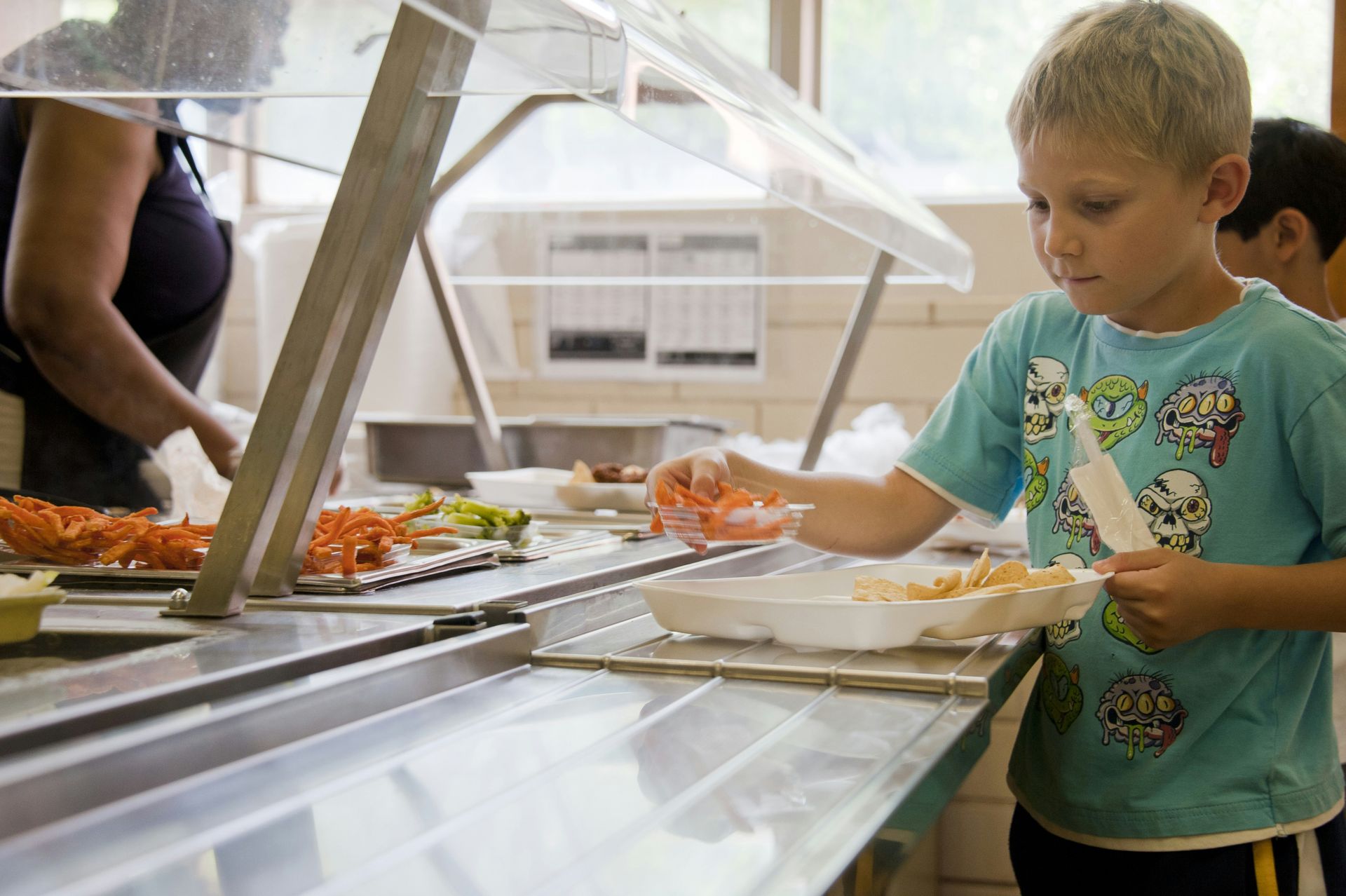
Children growing up poor have higher rates of asthma, malnutrition, anxiety, and other mental health issues. They are vulnerable to marginalization in school if they don’t have the “right” lunch, or school supplies, or they can’t afford to go on trips with their classmates. They may be more likely to have learning delays, possibly resulting from a lack of school-aligned and preparatory things like books in their homes. Lifelong emotional and psychosocial problems can also arise from the uncertainty of living with material insufficiencies.
Disadvantage Accumulates
All of these issues, and more, cause greater problems when they occur in children, because they can set children on a path through the whole of life. From the very beginning they face challenges in school, can’t keep up with their peers, and fall behind educationally, in extra-curricular activities, and in many other aspects of life. These issues accumulate over time, making the inequality of childhood even greater as the child becomes an adult.
Early life events have significant consequences for health and wellbeing. For example, a child who goes to school already comfortable with books, because they have been read to, begins the early grades with a learning advantage. This advantage generally results in greater success in primary and secondary school and beyond. Educational achievement is linked to health literacy, income, job stability, and ultimately to disease, disability, and death.
Being born underweight is also more common in poorer circumstances, and leads to a greater likelihood of experiencing various physical and mental hardships such as disease and disability. The effects of these disadvantages accumulate over time.
Children born into poverty may face housing inadequacies and uncertainties. They may confront homelessness and rely on foodbanks for their meals. They may lack diets full of nutrient-rich foods because of living in a fresh food desert. They may have to get most of their nutrition from unhealthy ultra-processed foods. Their neighbourhoods may lack green spaces and community centres for play and sports — places to congregate that are more common in neighbourhoods of higher socio-economic level.
And so, being born into an impoverished situation can have many more problematic and accumulative consequences than coming into poverty later in life.
What Can and Is Being Done
So-called kangaroo mothers and babysitting co-ops are among the local interventions for impoverished children and families described by Reasons to be Cheerful. The first is the story of volunteers who hold especially vulnerable babies skin to skin. This is done by both women and men in communities in India.2 It’s especially important for babies born early and underweight, who are at risk of a number of different diseases. Sometimes these babies are placed in an incubator, and at other times incubators aren’t available. About 10% of babies born worldwide are premature and underweight. This intervention improves the immune system and the healthy functioning of newborns, and sets them on a healthy pathway.
A community-based shared babysitting service in Philadelphia, Pennsylvania is another innovative model designed to help parents living in poverty to work or engage in recreation. Using a point system to equalize the contributions, parents help each other out with childcare. Such community-based and supportive programmes have the capacity to enable single parents, especially, some possible avenues toward employment and improved mental health.3
What Can You Do
Think about and do research on what political party has the best ideas for alleviating short-, medium-, and long-term income inequality and building a more equitable society.
You can help by advocating for:
- Designing schools that foster connection to surrounding communities
- Supporting programs that reduce poverty, increase access to nutritious food, and make affordable housing more available
- Voting for policies that enhance inclusion as public health priorities
Reducing sickness isn’t just about treating disease — it’s about creating a society where children are well-fed and housed and feel connected, supported, and valued.
And that’s something worth investing in.
1.
https://campaign2000.ca/new-release-2025-report-card-on-child-and-family-poverty-in-canada/#:~:text=Investing%20in%20Tomorrow:%20A%20Future,impact%20has%20weakened%20over%20time
2. https://reasonstobecheerful.world/kangaroo-mother-care-newborns/
3.
https://reasonstobecheerful.world/the-spark-how-to-make-parenting-fun-again/